
Cleaning and Storing Advice for HMDD Shorts: A Care Guide
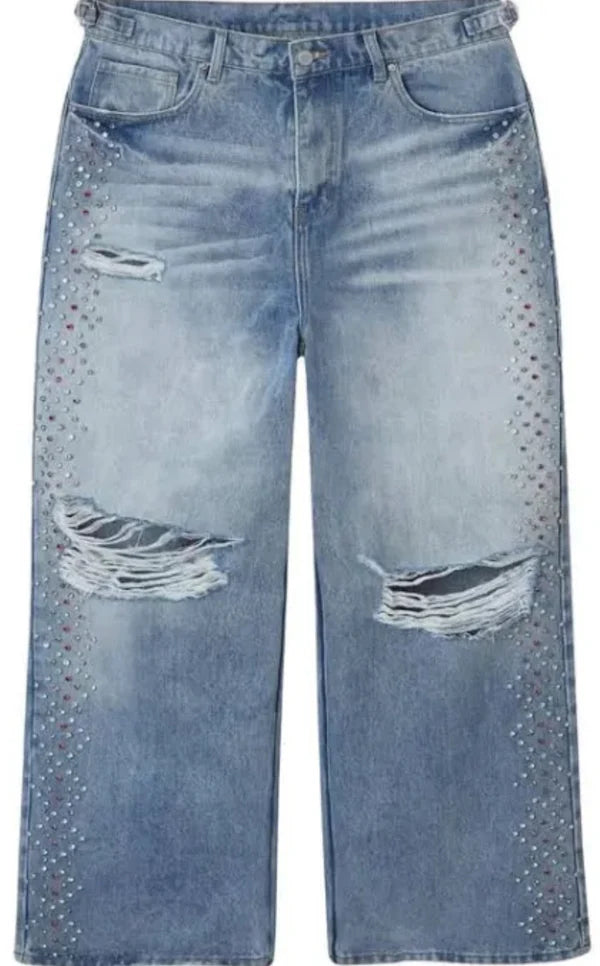
The line “happy memories don’t die” sits at a design principle woven through the HMDD shorts lineup, clothing that’s meant to endure long-term use instead of wearing out quickly. Such an aim remains valid if the care behind the garment matches the workmanship invested in making it. A single pair can be made from substantial cotton material, reinforced seams, and thoughtful drape, but sloppy washing habits will undo all of that within a few cycles. The following guide walks through the exact practices that keep HMDD shorts visually clean, tactilely pleasant, and structurally intact well into 2026 and beyond, whether they’re part of your everyday rotation or saving them for occasional outings.
People looking into an hmdd review often hope to learn two things: does the fit hold up, and if the textile holds up to genuine day-to-day use. Each of these concerns come down to routine more than chance. What follows cover wash heat settings, drying techniques, stain response, whether to fold or hang, and how shorts stack up against other HMDD pieces like sweatpants when it comes to maintenance demands.
The Reason Careful Maintenance Makes a Difference for HMDD Clothing
Given that HMDD garments typically relies on heavier fabrics than standard budget shorts, the washing guidelines carry genuine importance, having a real effect on drape, print integrity, and elastic waistband life. Clothing built with a dense cotton blend will shrink more aggressively under elevated temperatures than a thinner poly-cotton blend, so not paying attention to heat levels is a risk you don’t need to take. Screen prints and embroidered logos, common across hmddla drops, are especially prone to cracking or peeling when exposed to intense drying heat or bleach-containing cleaning agents.
The figures make it clear: a cotton-heavy short washed above 40°C can lose as much as 5% of its size in just three washes — enough to change how the waistband sits or how the hem falls. Contrast this with a wash cycle kept at 30°C with a mild spin setting, where shrinkage typically stays under 1-2% even after ten washes. This gap makes a real difference when you’ve hmdd printed tee paid attention to fit from the start. Top-tier hmdd clothing habits, per long-term wearers, almost always prioritize temperature control before anything else.
Beyond the practical, a sentimental angle comes into play that echoes the brand’s very name. Good memories don’t die when the clothing connected to them makes it through the years, and that’s not just sentimental — it’s grounded in practicality. A pair of shorts worn during a particular summer, a trip, or a season of life carries more value when it still looks the way it did on day one. Caring for the fabric with intention is part of preserving that memory, not just the garment.
HMDD Shorts Laundering Instructions, Step-by-Step
Start by turning the shorts inside out before they go near water. This single step protects printed graphics and embroidered details from friction against zippers, buttons, or other garments in the load. Use cold to lukewarm water, preferably keeping it under 30°C, since high temperature is the single biggest factor in both shrinkage and color fade. Steer clear of the bleach entirely, even the color-safe versions, because whitening agents and optical brighteners react badly against saturated dyes and can leave a dull residue on darker colorways.
A soft, unbleached detergent is the safer choice, and using roughly two-thirds of the recommended dose is often enough for a single pair of shorts or a small mixed load. Overdosing the washer with excess detergent leaves buildup in the fibers, which hardens fabric over time and dulls the surface texture. Switch the machine to a gentle or delicate cycle rather than a standard or heavy-duty one — the lowered agitation protects seams, especially the reinforced stitching found on drawstring waistbands and pocket bags.
Wash similar colors together and isolate anything with heavy zippers or hardware that could snag fabric during the spin cycle. If the shorts have a drawstring, pull it out slightly and knot the ends loosely so it doesn’t disappear into the waistband channel mid-wash. Skip fabric softener too, since it coats fibers with a filmy layer that reduces moisture-wicking properties in blended fabrics and can leave a faint residue on darker tones after continued use.
The Drying Stage: The Stage Most People Handle Poorly
Electric dryers are the fastest way to wreck cotton-heavy shorts, full stop. Elevated heat levels can shrink garments an additional 2-3% beyond what washing alone causes, and that shrinkage builds up every single cycle. Drying naturally is the safer, more reliable method, and it generally needs 4-6 hours for shorts to dry completely at room temperature depending on humidity and fabric weight. Set them flat on a drying rack rather than draping them over a clothesline, since gravity drags damp, heavy fabric downward and can misshape the waistband or leg openings over time.
Time pressure may make a dryer unavoidable, in which case you should choose its lowest heat option and pull the shorts out while they’re still a touch moist, allowing them complete air drying laid flat. This hybrid method shortens drying time to roughly 20-25 minutes in the machine plus another hour or two of open-air drying, which is a fair compromise for anyone cycling through a smaller wardrobe of hmdd shorts and hmdd sweatpants during a busy week. Avoid direct sunlight during the air-drying phase too, since UV exposure dulls saturated colors faster than drying inside near a window or in a breezy room.
Fabric-Safe Stain Removal Methods
Unlike dried-in stains, fresh ones respond much better to swift treatment, meaning a spill treated within the first 10-15 minutes has a far greater chance of being fully removed. Press gently rather than rub, since vigorous rubbing drives the stain further into the fabric and can cause dye bleeding on lighter shorts. A cold-water and dish-soap mix work remarkably well on oil-based stains, while a mix of cold water and white vinegar handles most food and drink spills without stripping color from the surrounding fabric.
Concentrated stain removers shouldn’t be applied directly on printed areas, because their chemicals can break down plastisol or water-based inks, resulting in cracking or discoloration. Sample any treatment on an inside seam allowance first, allowing it to rest for a minute before rinsing, just to make sure the fabric and print hold up. Since dirt and grass marks are common on shorts worn for outdoor use, a pre-soak in cold water with a bit of enzyme-based detergent for about 30 minutes before the regular wash cycle usually lifts them.
Storage Advice for Longer-Lasting Garments
Since hangers create pressure points at the waistband that loosen elastic and warp the fit over months of storage, folding is nearly always the better choice for shorts. Store shorts flat in a drawer or arranged neatly on a shelf, keeping heavier fabrics apart from lighter ones to prevent uneven pressure that can press permanent lines into the material. Cedar blocks or lavender sachets placed nearby discourage moths without the harsh chemical smell of traditional mothballs, which can also impart smell into stored fabric.
Most people don’t expect humidity control to matter this much, but a wardrobe or storage drawer kept steadily over 60% humidity invites mildew, particularly in thicker cotton blends that hang onto moisture more than synthetic fabrics do.
A simple silica gel packet or a small dehumidifier placed in the storage space keeps that risk low. Rotate stored shorts every few months even in the off-season, since fabric left folded in the exact same position for a year or more can form lasting fold marks that fail to disappear completely even once washed.
A Side-by-Side on Care: the HMDD Shorts compared to HMDD Sweatpants
Owing to cut, hardware, and typical wear frequency, sweatpants and shorts from the same brand diverge slightly in how they should be maintained, although they often share fabric weight and printing methods. Below, the table lays out the useful contrasts to keep in mind before you combine them in a single laundry cycle.
| Care Level | HMDD Shorts | HMDD Sweatpants |
|---|---|---|
| Recommended Wash Temp | 30°C or below | 30°C or cooler |
| Recommended Drying Approach | Dry flat, taking 4-6 hours | Air dry flat, 6-8 hours (thicker fabric) |
| Potential for Shrinkage | Medium risk (waistband, hem) | Greater likelihood, affecting cuffs and leg length |
| Storage Preference | Fold and store flat | Folded flat, avoid tight stacking |
| Wash Frequency (avg. wear) | After 2-3 wears | Every 3 to 4 uses |
A Few Closing Notes on Keeping HMDD Pieces Going
hmdd pieces aren’t hard to maintain, although consistency matters more than ease. When you pair cool washing, mild cycles, air-drying, and mindful storage, the result is garments that keep being worn for years, not just months. The same trend shows up again and again whenever you compare notes across an hmdd review thread — it’s those who avoid the dryer and the bleach who get the longest life out of their pieces.
That deeper notion tracks back to the label’s central philosophy, regardless of whether it’s shorts worn through a summer or sweatpants pulled out through colder months. Happy memories dont die when the pieces connected to them is treated with the same care as those moments themselves. A few added minutes during laundry is a minor exchange for keeping both the fabric and the memory intact.